
Trotline Fishing for Catfish
A traditional passive line carrying multiple hooks, subject to Louisiana gear and waterbody rules.
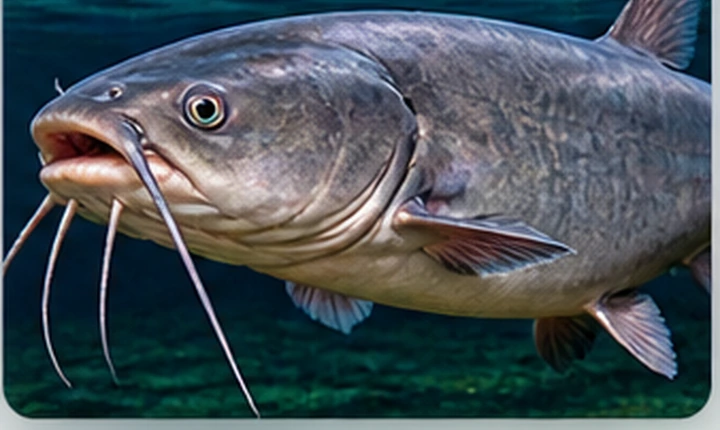
Best situations
This technique is especially useful around rivers, lakes and backwaters where permitted. Let fish position, water clarity, current, wind and available cover determine exactly how aggressively you fish it.
Basic setup
Legal mainline, droppers, hooks, anchors and required identification. Match rod, reel and line strength to the cover, bait size and fish you expect to encounter.
Presentation
Set only where the line can be safely attended and retrieved. Space and bait hooks consistently and check the line as required by law.
Current statewide and waterbody-specific restrictions can govern hooks, marking, tending and placement. Check LDWF before every trip. On Louisiana waters, pay close attention to seasonal water level, current, vegetation and water clarity because these can change the productive version of the technique from one trip to the next.
When should you try it?
Year-round is a good starting window, but Louisiana's mild climate can extend many patterns. Instead of relying only on the calendar, watch water temperature, spawning movement, bait location and recent weather.
Passive gear has special rules
Louisiana regulates passive hooked fishing gear, including identification, quantities, tending requirements and some waterbody-specific restrictions. Do not rely on an older article or memory of last year's rules.
Check current LDWF fishing regulations →