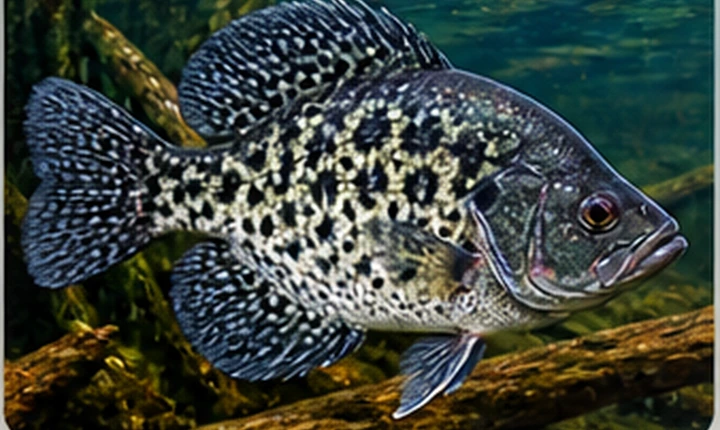
Long-Line Trolling for Crappie
Pull jigs behind the boat to search broad flats and suspended schools.
Best situations
This technique is especially useful around flats, creek arms and open-water migration routes. Let fish position, water clarity, current, wind and available cover determine exactly how aggressively you fish it.
Basic setup
Several rods with small jigs positioned at different distances. Match rod, reel and line strength to the cover, bait size and fish you expect to encounter.
Presentation
Maintain a steady slow speed and make wide turns. Adjust jig weight, line length and speed to change running depth.
Once one rod begins producing, duplicate its jig size, distance and position on other rods. On Louisiana waters, pay close attention to seasonal water level, current, vegetation and water clarity because these can change the productive version of the technique from one trip to the next.
When should you try it?
Late winter–spring is a good starting window, but Louisiana's mild climate can extend many patterns. Instead of relying only on the calendar, watch water temperature, spawning movement, bait location and recent weather.